





 Casa Guararapes
How ´innovability´ drives Guararapes' Forestry operations
Read our conversation with Fernando Barcelos, Forestry Manager at Guararapes, about the challenges and opportunities involved in building safer, more sustainable, and more productive operations
Blog/Innovation and sustainability (“Innovability”) are becoming increasingly important pillars for the future of forestry. In a context of rapid technological change and growing environmental challenges, more efficient, safer, and more responsible operations have become essential to remaining competitive and creating long-term value.
In this interview, Fernando Barcelos, Forestry Manager at Guararapes, discusses how the company has incorporated new technologies into its operations, the progress driven by its Forestry Research and Development team, and the role of people in building a management approach that balances productivity, responsible forest management, innovation, and safety.
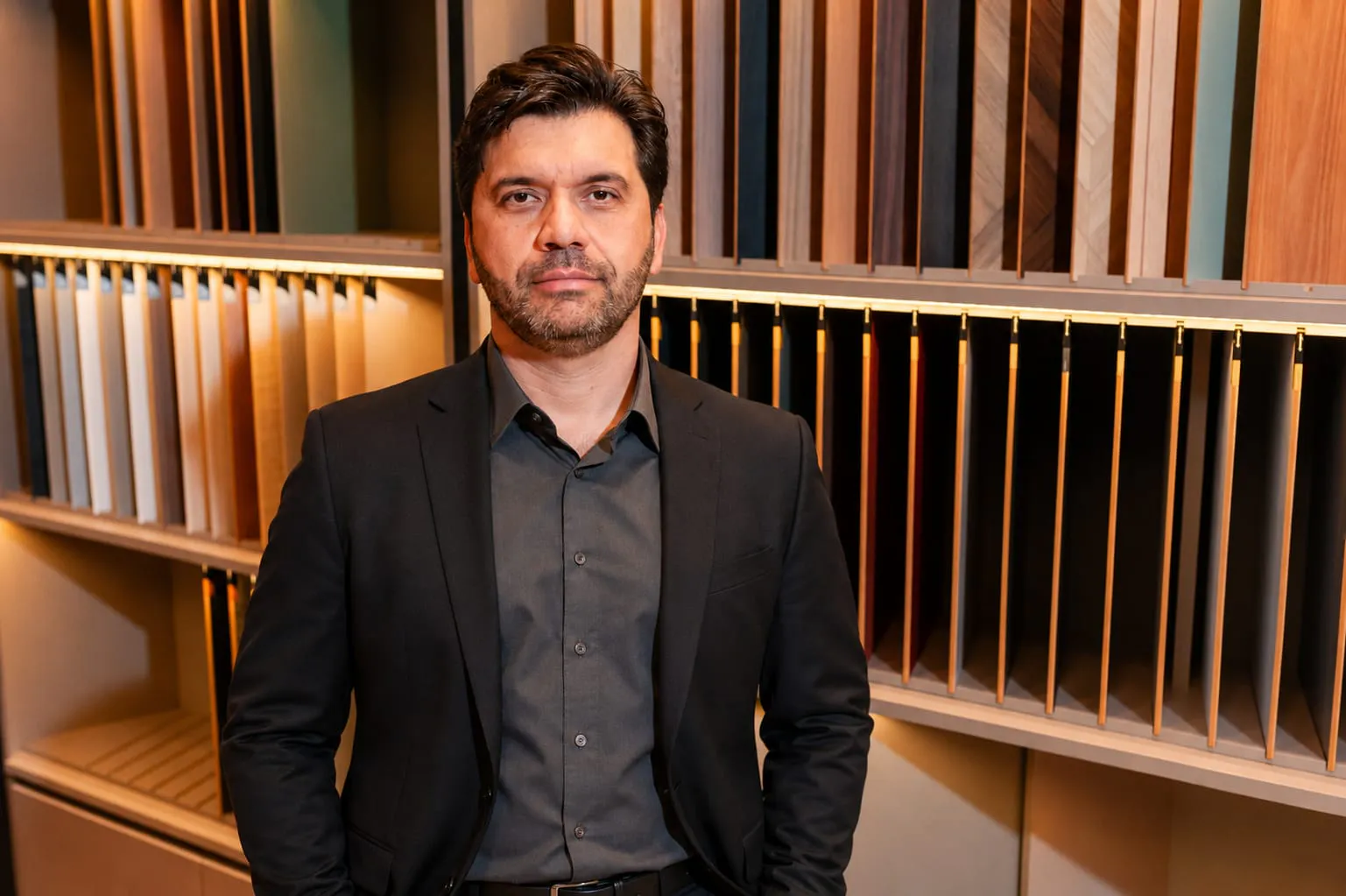
Fernando Barcelos, Forestry Manager at Guararapes
1. What does the concept of innovability mean in practice at Guararapes?
When we talk about innovation with sustainability (´innovability´), we look beyond operational performance. We seek to connect our forestry operations with the business as a whole, using technology, automation, and mechanization to make them more efficient, safer, and more sustainable.
Because we operate in several fronts across widely dispersed locations, innovation is essential to bridging field operations and management decision-making. It promotes greater integration among people, processes, and information, enabling faster, better-informed decisions, greater control over activities, and continuous gains in productivity and sustainability. At the same time, it helps create a more connected work environment that is better aligned with the needs of the teams who keep our forestry operations running every day.
2. Today, which technologies have the greatest impact on Guararapes’ day-to-day forest management?
We have a strong culture of innovation. It is part of Guararapes’ identity and is naturally reflected in our Forestry operations. In recent years, we have stepped up our investment in technology to ensure that our operations are increasingly prepared for future challenges.
For geospatial analysis, we use drones, satellite imagery, and AI-powered optimization tools to support monitoring and data processing, enabling faster decision-making. We also have an operations control tower that receives data transmitted by onboard computers installed in field machinery. This allows us to remotely monitor harvesting, roadwork, and mechanized planting activities.
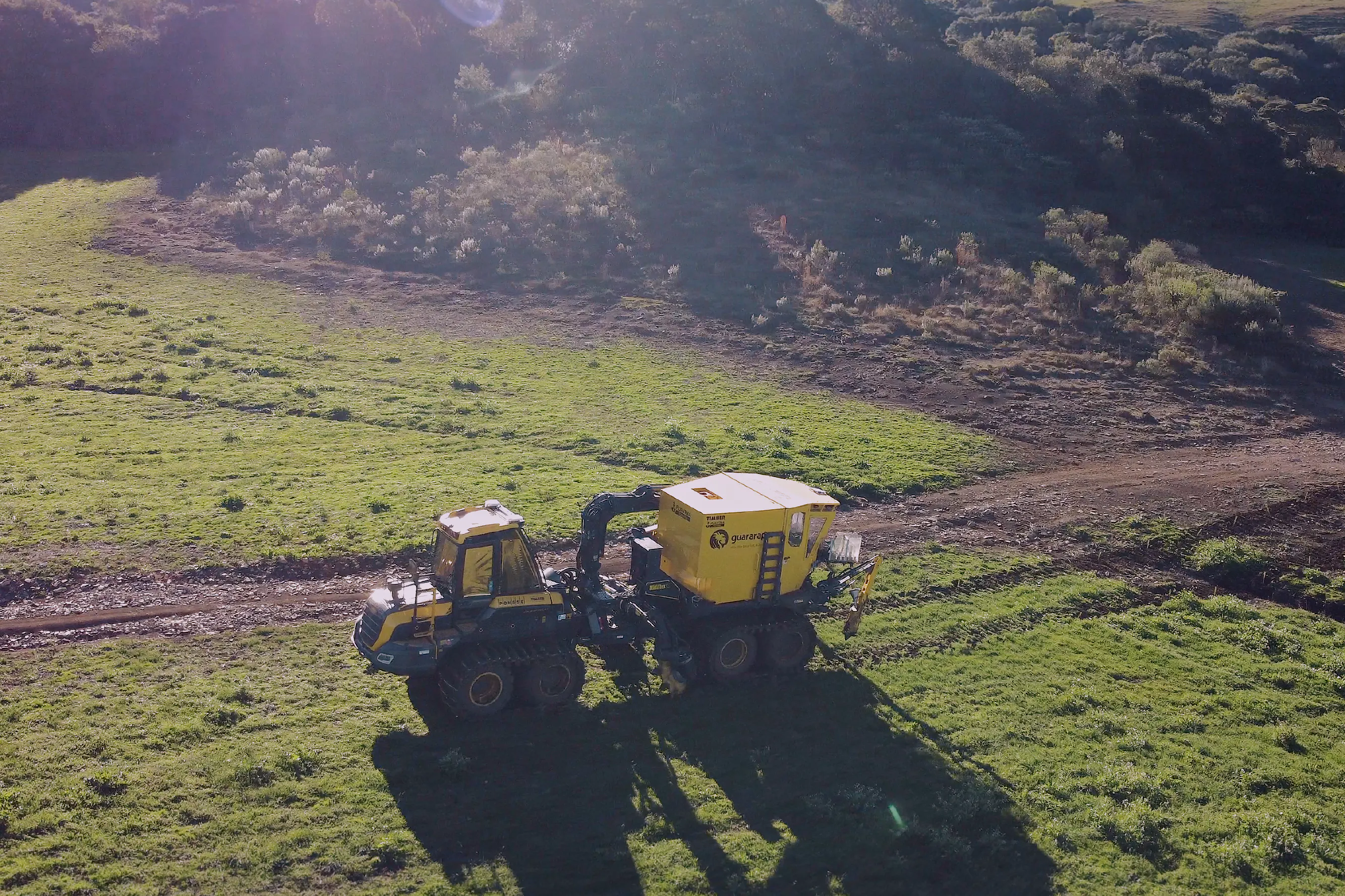
One of the most significant developments has been the mechanization of planting. We began this process in 2025, and today approximately 63% of planting is carried out using highly automated, technology-enabled equipment capable of planting around 1,600 seedlings per hour. This represents significant progress, particularly because the mechanization of silvicultural operations in Brazil, especially in the country’s southern region, is still relatively recent due to the topographic features of its forest areas. In addition to productivity gains, this development improves operator ergonomics and safety while enhancing the quality of our operations.
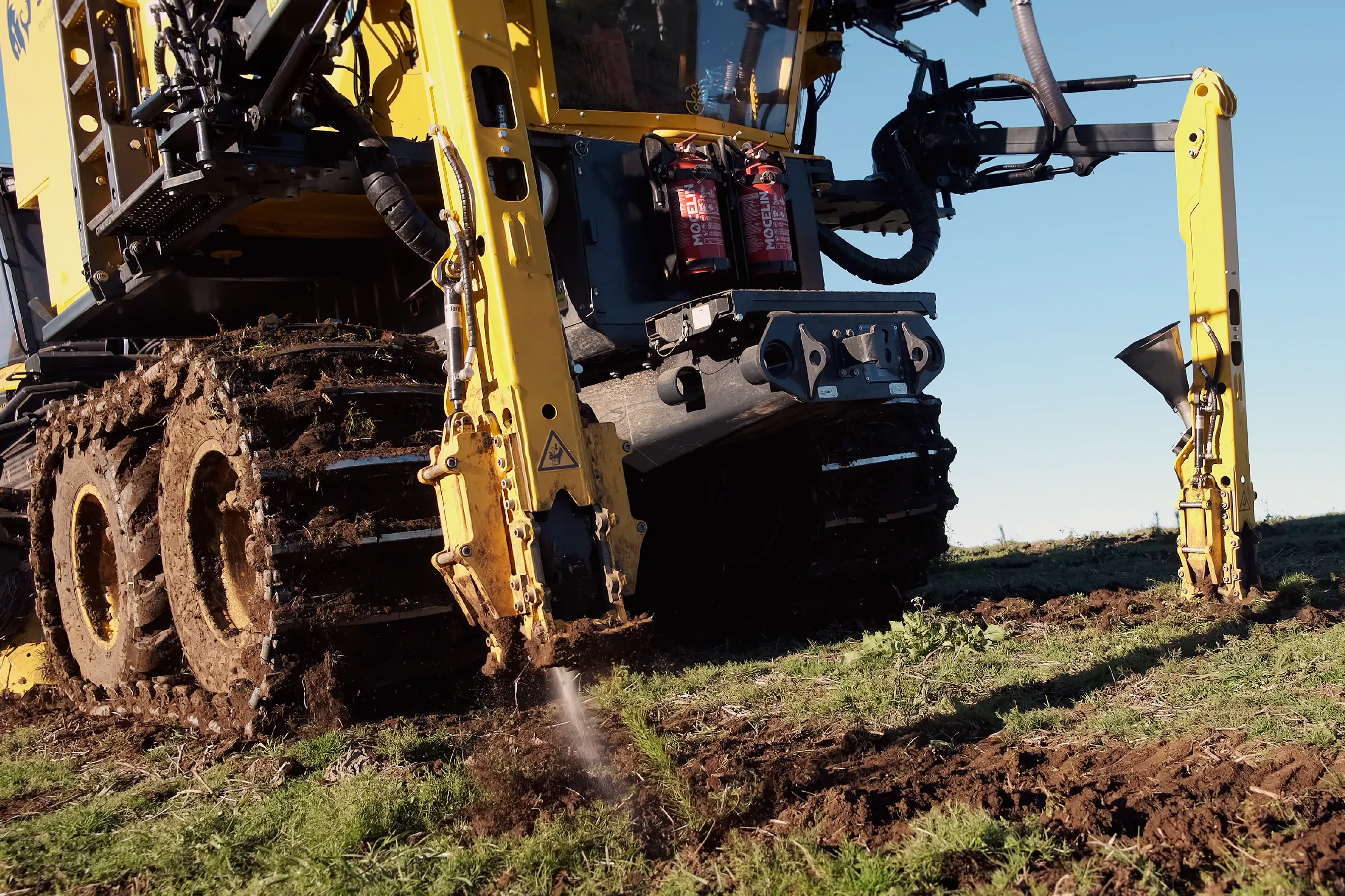
The process of mechanization of planting has begun in 2025, increasing our productivity
3. How do tools such as artificial intelligence, drones, and remote monitoring help make operations more efficient and sustainable?
The greatest challenge lies not in the technology itself, but in how people incorporate it into their daily work. These tools are becoming more accessible and evolving rapidly, which requires developing a culture capable of using their potential effectively.
That is why we continually invest in developing our people and managing change. We reinforce the idea that technology should work alongside our teams, expanding their capabilities and supporting them as they carry out their activities. When applied strategically, it improves the quality of decision-making and drives operational efficiency.
At the same time, we recognize that technology alone is no substitute for efficient processes. Its full potential can only be achieved when it is underpinned by well-structured processes, clear standards, and consistent execution. In other words, innovation creates the greatest value when it builds on solid operational foundations already in place.
Discover our certifications
4. How can productivity, environmental conservation, and technological innovation be balanced in large-scale forestry operations?
It all starts with the people. Everyone needs to clearly understand the company’s goals and the role they play in achieving them. At Guararapes, sustainability is a strategic pillar embedded in every stage of our operations.
We have structured processes, clearly defined procedures, internal audits, safety routines, and continuous operational monitoring. We also maintain close relationships with the communities where we operate, monitoring potential impacts and engaging responsibly with people.
The balance among productivity, environmental conservation, and innovation comes from integrating people, processes, equipment, and technology. This combination allows us to build an operation that is efficient, economically viable, environmentally responsible, and socially just.
5. Guararapes established a dedicated Forestry R&D area in 2025. What prompted this decision? What impact is it already starting to have?
The decision to establish a Forestry Research and Development (R&D) area was driven by a long-term strategic vision. Our planning horizon currently spans three forest production cycles, representing approximately 40 years of strategic planning.
This long-term perspective allows us to implement in the short-term the decisions needed to ensure the future sustainability and competitiveness of the business. It was this outlook that gave rise to initiatives focused on expanding our forest base and increasing productivity, for example.
Forestry R&D plays an important role in this context, particularly in strategic areas that are critical to competitiveness, including genetic improvement, adaptation to climate change, and the development of new technologies. Our goal is to anticipate future scenarios, improve operational efficiency, and ensure that we are prepared for the challenges of the coming decades.
6. Guararapes participates in collaborative initiatives such as Brazil’s Cooperative Pinus Research Program and Cooperative Pinus Improvement Program. How important are these partnerships in accelerating innovation in the forestry sector?
These initiatives play a fundamental and strategic role by strengthening collaboration among companies, research centers, and specialists, accelerating the creation and dissemination of knowledge. This exchange helps us anticipate trends and address complex challenges, driving innovation and supporting the sector’s competitiveness in a sustainable way.
Through these partnerships, we gain access to research findings, follow ongoing trials, and exchange information with companies facing challenges similar to our own. This significantly accelerates our learning curve and allows us to assess solutions that would take years to develop independently.
7. Looking ahead, what will be the main challenges and greatest opportunities in keeping forests increasingly productive and sustainable?
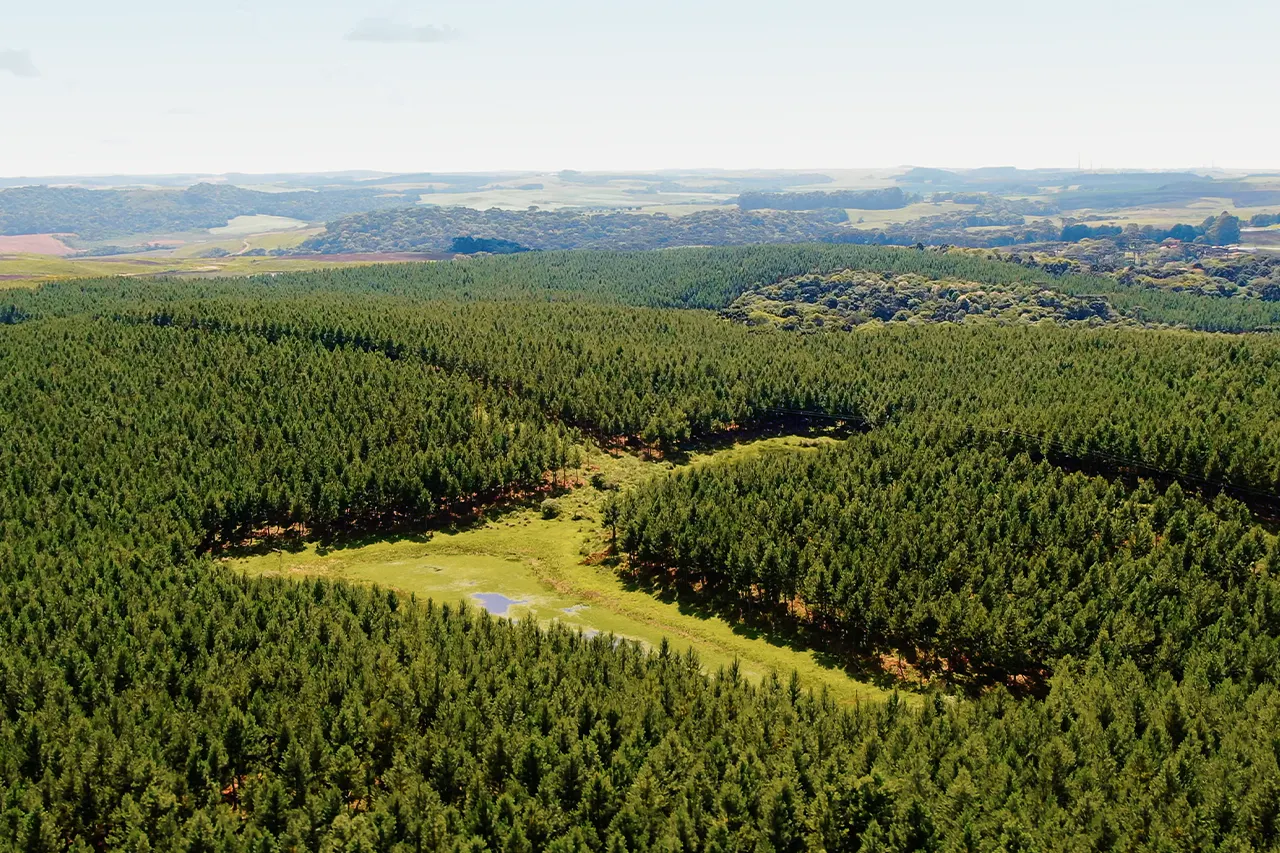
One of our main strategic challenges is expanding our forest base, as we operate in a region where land availability is limited and demand for productive land continues to grow.
Beyond expanding the forest base, another challenge is to continue innovating without losing the core values that define how we operate. Technology will continue to evolve rapidly, and we must remain alert to new opportunities, aligning innovation and sustainability with value creation for the business.
Finally, I would highlight a challenge shared by companies across all sectors: attracting, developing, and retaining people. Despite all the advances in technology, it is the people who make strategies possible. That is why we continue to invest in an environment that fosters employee development, well-being, and growth.
At the same time, these challenges create opportunities. By consolidating this strategy and strengthening our pillars of innovation, sustainability, and people development, we will be prepared to sustain consistent long-term growth.
